
OUTFITS
Confident Dressing: How to Dress for Your Body Type
Wearing clothes that complement your natural shape can make a noticeable difference in both appearance and self-confidence. When outfits are chosen with your proportions in mind, they highlight the areas you want to showcase while creating a more balanced overall look. Confident Dressing is not about following strict rules but about understanding how different cuts, fabrics, and styles interact with your body. By learning what works best for your figure, you can build outfits that feel comfortable, flattering, and stylish. This guide explains how to recognize your body shape and how to dress in a way that emphasizes your strengths while maintaining harmony in your silhouette.
1. Identify Your Body Type

The first step toward Confident Dressing is understanding your body shape. Everyone’s body is unique, but most figures fall into a few common categories based on the relationship between the shoulders, waist, and hips.
Hourglass: This shape features a clearly defined waist with the bust and hips appearing fairly even in width. The natural curves make it easy to highlight the waistline with well-fitted clothing.
Pear: In this body type, the hips are wider than the shoulders and bust. Many people with this shape choose outfits that balance proportions by bringing attention upward.
Apple: This figure tends to carry more fullness around the midsection while the arms and legs may appear slimmer. Styling often focuses on creating length and drawing attention away from the waist area.
Rectangle: With this shape, the bust, waist, and hips are fairly similar in width. Because the natural waistline is less defined, styling choices often focus on creating the illusion of curves.
Inverted Triangle: This body type has broader shoulders with hips that appear narrower. Outfits that add volume to the lower half can help balance the overall frame.
Recognizing which category best describes your proportions helps guide your clothing choices and supports a more confident and balanced approach to dressing.
2. Dressing the Hourglass Shape

People with an hourglass figure usually benefit from clothing that highlights the naturally defined waist. The key to Confident Dressing with this body type is maintaining the natural balance between the upper and lower body while allowing the waistline to remain the focal point.
Tops that are tailored or gently fitted often complement this shape well. Wrap styles, structured blouses, and jackets that include a belt or defined waistline help emphasize the curves without overwhelming them. These designs naturally follow the body’s shape, making them flattering and comfortable.
When it comes to bottoms, styles that maintain proportion work best. High-waisted jeans, fitted skirts, and well-tailored trousers support the natural balance of the figure while keeping the silhouette streamlined. These pieces highlight curves in a polished and structured way.
One important styling idea for the hourglass shape is avoiding clothing that is excessively loose or shapeless. Oversized garments can hide the waist and make the figure appear less defined. Choosing clothing that gently follows the body’s lines helps maintain the elegant proportions associated with this shape.
3. Dressing the Pear Shape

For individuals with a pear-shaped body, the hips are typically wider than the shoulders and bust. Confident Dressing for this shape often focuses on drawing attention to the upper body while keeping the lower half balanced and streamlined.
Tops play an important role in achieving this effect. Styles with interesting necklines, brighter colors, or added structure around the shoulders naturally bring attention upward. Boat necks, embellished collars, and layered tops can create visual interest that balances the overall silhouette.
Bottoms for this body type are often kept simple and clean in design. Darker colors and minimal details around the hips can create a smoother appearance while allowing the top half of the outfit to stand out. A-line skirts and tailored pants can also help create a flattering line without adding unnecessary volume.
Accessories can also contribute to balance. Statement necklaces, scarves, or eye-catching earrings draw attention toward the face and shoulders. These small styling choices help shift focus upward and contribute to a harmonious look that supports Confident Dressing.
4. Dressing the Apple Shape

An apple body shape typically carries more fullness through the midsection while the legs, arms, or neckline may appear more defined. The goal of Confident Dressing with this figure is to create a sense of length and highlight areas away from the waist.
Tops with open necklines often work well because they help elongate the upper body. V-neck designs, flowing blouses, and softly draped fabrics can create a comfortable fit that does not cling to the midsection. Empire waist styles are another popular option because they gently define the area under the bust while allowing the fabric to fall naturally over the stomach.
Bottom choices that add subtle structure can also help balance the silhouette. Straight-leg pants and slightly flared designs often provide a more even visual proportion between the upper and lower body. These shapes create a longer line through the legs and add stability to the overall outfit.
Dresses that begin to flow just below the bust are often flattering as well. This design draws attention upward while allowing the rest of the fabric to move freely, making it a comfortable and stylish option for everyday wear.
5. Dressing the Rectangle Shape

A rectangle body shape typically has similar measurements through the bust, waist, and hips. Because curves are less pronounced, Confident Dressing for this body type often focuses on creating shape and adding dimension through clothing.
Tops with extra detail can help introduce movement and visual interest. Peplum styles, ruffled sleeves, layered fabrics, and textured materials all help create the appearance of curves. These design elements add volume in strategic areas, making the overall silhouette feel more dynamic.
Bottoms that introduce subtle shaping can also be helpful. Bootcut jeans, skirts with pleats, and pants with pockets or stitching details help add depth to the lower half. These features can visually enhance curves and prevent the outfit from looking too straight or flat.
Belts are often a helpful styling tool for this body type. Adding a belt at the waist instantly creates the appearance of a defined midsection and breaks up the straight line of the torso. When used thoughtfully, belts can transform simple outfits into more structured and flattering looks.
6. Dressing the Inverted Triangle Shape
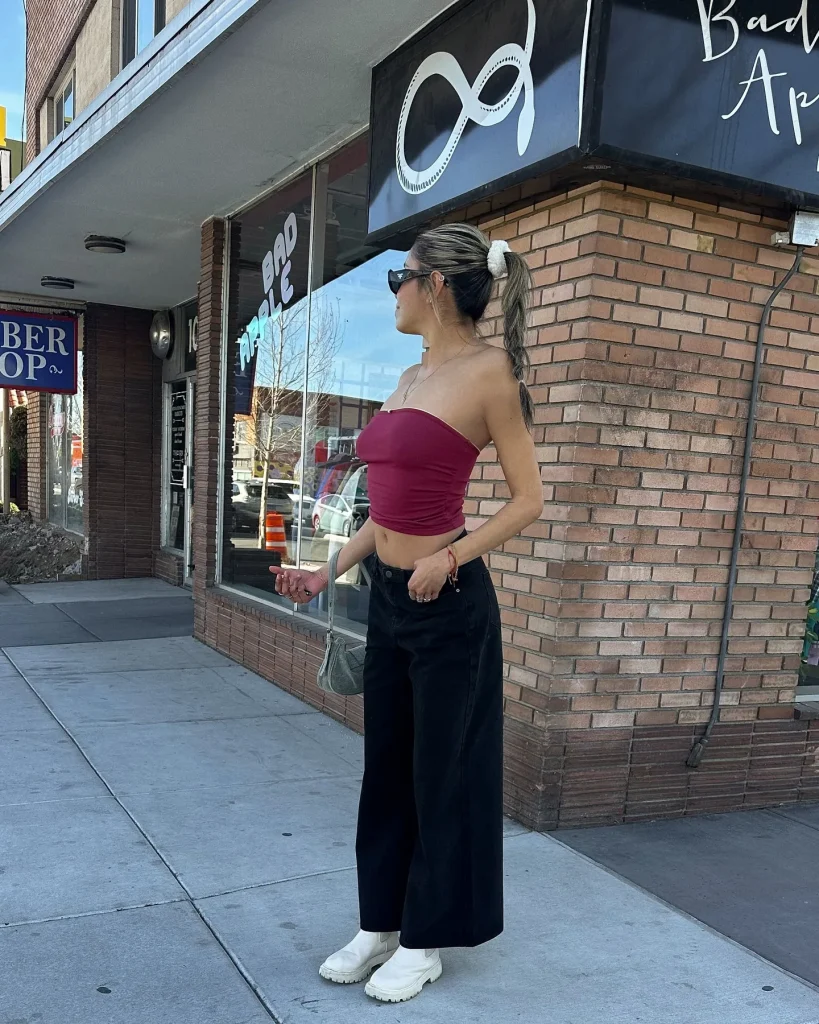
The inverted triangle body type is characterized by shoulders that appear wider than the hips. Confident Dressing for this shape focuses on softening the upper body while creating more visual weight around the lower half.
Tops that minimize shoulder width are often the most flattering choice. Deep V-necklines and simple, streamlined designs can help create a more vertical line through the upper body. Avoiding heavy shoulder details or overly busy patterns can also prevent the shoulders from appearing broader than they already are.
Bottoms that add volume can help balance the frame. Wide-leg trousers, full skirts, and designs with pleats or patterns introduce more visual interest around the hips. This added dimension helps create a more even proportion between the top and bottom of the body.
Choosing clothing that draws the eye downward can also support balance. Skirts with texture, patterned pants, or flowing fabrics can shift focus away from the shoulders while enhancing the lower half of the silhouette.
Final Thoughts
Confident Dressing is ultimately about feeling comfortable and expressing your personality through clothing. Understanding your body type can provide helpful direction when choosing outfits, but it should never feel limiting. The goal is to highlight your favorite features while creating a balanced and polished appearance.
When you experiment with different cuts, fabrics, and proportions, you begin to learn what feels best for your body. Over time, these choices help you develop a personal style that reflects both confidence and individuality. Dressing with awareness of your body shape simply provides a foundation that allows you to showcase your best self every day.
